
GTA: Vice City at 24 - Rockstar's Iconic Gaming Milestone
GTA: Vice City remains a legendary title that redefined open-world gaming. Celebrating its 24th anniversary, it encapsulates 1980s Miami culture while setting a development benchmark.

Introduction to Vice City
Released in October 2002, Grand Theft Auto: Vice City emerged from Rockstar Games as a landmark title that encapsulated the spirit of the era. This game not only established the foundation for future GTA titles but also left an indelible mark on video gaming as a cultural phenomenon.
The Creative Tensions Behind Production
The development of Vice City was marked by intense creative clashes, one famously recounted incident involved actor Burt Reynolds during a recording session. Legend has it that he confronted Dan Houser, co-founder of Rockstar, demanding he leave the studio. A physical altercation was narrowly avoided, illustrating the high-pressure environment in which Vice City was being crafted. This anecdote encapsulates the ambitious yet brash attitude of Rockstar, a studio willing to push boundaries to create something extraordinary.
Budget and Production Timeline
The ambition behind Vice City was not just in its storytelling and character depth. With a production budget of approximately $5 million and a marketing spend of $13.2 million, Vice City represented a shift towards treating video games as cultural milestones, akin to Hollywood blockbusters. The game transformed from a planned DLC for GTA III into a standalone title within a remarkably tight timeline of just one year, revealing Rockstar's capacity for rapid development and creative expansion.
The Influence of Voice Acting and Star Power
Voice acting in Vice City brought a new dimension to video game storytelling. Featuring a cast led by Ray Liotta as the protagonist Tommy Vercetti, the game set a precedent for the use of a voiced lead character. Liotta’s performance was pivotal; he transformed Vercetti into a compelling figure, despite voicing a character who embodies many negative aspects of the 1980s drug culture. Liotta articulated Vercetti’s journey from a low-level thug to a powerful drug lord in exhilarating fashion. He, along with co-stars such as Tom Sizemore, Luis Guzmán, and Debbie Harry, filled Vice City with larger-than-life personalities.
Character Depth in Vice City
Tommy Vercetti's character arc is particularly striking. Initially presented as a brutal criminal, Vercetti's story takes on layers of complexity, presenting him as a man betrayed by the very friends he sought to trust. His journey throughout Vice City mirrors the classic American Dream narrative filled with ambition and revenge. The game effectively creates a sense of empathy for a character who otherwise embodies the worst traits of a quintessential anti-hero.
Gameplay Mechanics and Open World Design
The game's structure elegantly marries gameplay mechanics with an evolving narrative. Players begin with modest goals, completing menial tasks before gradually expanding their operations to take control of various businesses and territories throughout Vice City. This transition mirrors Vercetti's rise to power, allowing players to experience the thrill of unrestricted freedom in a vast, dynamic world.
- Players can purchase assets like strip clubs and businesses to launder money and expand their influence.
- The game features a vast mission structure, blending core story quests with optional side missions, reminiscent of later titles' Strangers and Freaks missions.
The 1980s as a Character
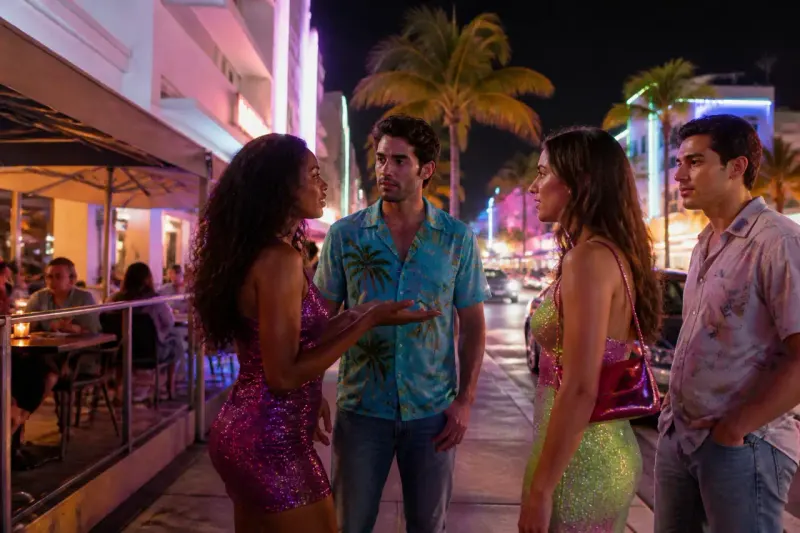
Set against the backdrop of the vibrant 1980s, Vice City serves as a love letter to the decade, filled with characteristic music, neon lights, and cultural references. The soundtrack, featuring a carefully curated selection of hits from the era, enhances the immersive experience, making players feel transported to a sun-soaked Miami. Whether it's energetic radio stations or the busy streets filled with unique side characters, Vice City radiates with nostalgia and authenticity.
Legacy and Continuing Impact
Even 24 years post-release, Vice City remains celebrated as one of the best video games ever made. Its innovative structure paved the way for future open-world titles, solidifying Rockstar's reputation for cinematic storytelling blended with engaging gameplay. As players revisit the game in 2026, it continues to stand tall against the advancements seen in newer titles, reminding fans why it thrived in a time when video games were transitioning into a major cultural medium.
While the characters of Vice City may not reappear in future titles, the essence of the game lives on, encapsulated in its audacious narrative, vibrant environment, and unique gameplay. With Vice City, Rockstar not only pushed gaming boundaries but also elevated the expectations for narrative depth and character development in the entire industry. The bravado embodied by Vice City reflects a period of time when the studio was establishing itself as a titan in the gaming world, and that spirit continues to inspire developers today.
Key Takeaways
- Grand Theft Auto: Vice City was released in October 2002, revolutionizing open-world gaming.
- The game's production budget was around $5 million, with a marketing budget of $13.2 million.
- Ray Liotta's portrayal of Tommy Vercetti set new standards for voice acting and character complexity in video games.
- Vice City’s open world allows players to engage in various businesses, mimicking Vercetti's ascent to power.
- The game's nostalgic portrayal of the 1980s continues to resonate with fans today, maintaining its status as a gaming classic.
Frequently Asked Questions