
How Often Should You Really Replace Your Mattress?
Understanding how often to replace your mattress can improve sleep quality. Discover key signs of wear, factors influencing lifespan, and care tips.
Why Mattress Replacement Matters
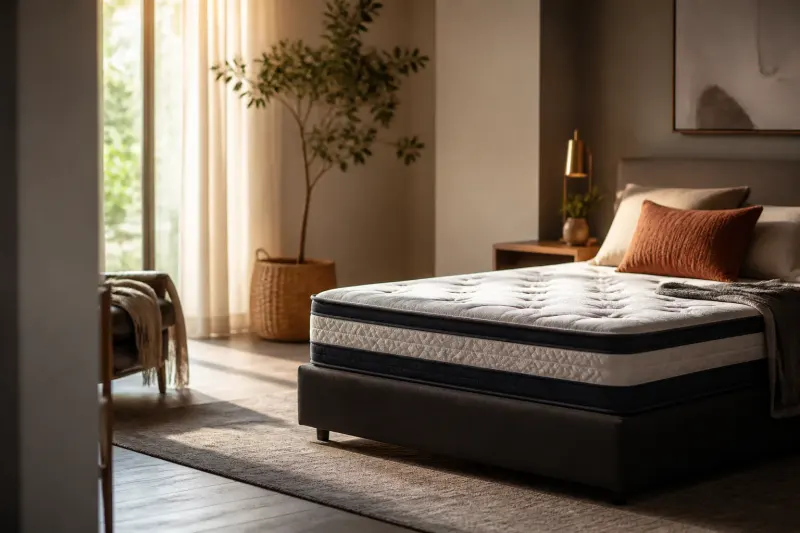
For many, a mattress is an essential part of everyday life, impacting sleep quality and overall well-being. Yet, as time passes, the comfort and support a mattress provides can diminish. Recognizing when it's time to replace your mattress is crucial to ensure restful nights and comfortable sleep. Factors such as age, physical condition, and personal comfort changes play significant roles in determining whether a mattress remains suitable.
Mattress Lifespan by Type
| Mattress Type | Estimated Average Lifespan |
|---|---|
| Innerspring | 5.5–6.5 years |
| Foam | 6–7 years |
| Hybrid | 6.5–7.5 years |
| Latex | 7.5–8.5 years |
Different types of mattresses have varying lifespans based on their materials and construction. According to the Sleep Foundation, innerspring mattresses typically last between 5.5 to 6.5 years, foam mattresses tend to last around 6 to 7 years, while hybrids and latex mattresses reach 6.5 to 7.5 and 7.5 to 8.5 years, respectively. Innerspring mattresses may lose support as the coils and comfort layers wear down, whereas foam may soften and form lasting impressions. Meanwhile, latex mattresses often exhibit greater durability due to their resistance to compression.
Factors Affecting Mattress Lifespan
Many variables come into play regarding how long a mattress remains effective. These include:
- Material Quality: The durability of the materials influences mattress longevity. High-density foam, sturdy latex, and robust coil systems usually lead to longer-lasting beds.
- Body Weight and Use: Heavier individuals or nightly use can cause mattresses to wear faster than those used occasionally, such as in a guest room.
- Sleeping Position: Weight distribution varies by sleeping position; side sleepers may create impressions around shoulders and hips, while back and stomach sleepers share weight more evenly.
- Care and Maintenance: Proper care, such as regular cleaning and the use of a suitable foundation, can prolong a mattress's life.
Recognizing When to Replace Your Mattress
Detecting the signs that a mattress needs replacing can be critical to maintaining comfort. Key indicators include:
- Sagging and Indentations: If a mattress fails to regain its original shape or has developed noticeable dips, it's likely time for replacement as these changes affect comfort and support.
- Waking Up Uncomfortable: Regularly feeling stiff or sore upon waking might suggest the mattress isn’t offering adequate support.
- Restlessness at Night: Frequent movements during the night might point toward uneven wear or pressure points in the mattress.
- Visible Damage or Noise: Noisy springs or damaged upholstery indicate potential structural failures.
- Preference for Other Beds: If sleeping better in a hotel or guest bed highlights discomfort at home, it may be time to reevaluate your mattress.
Changing Needs Can Prompt Replacement
A mattress doesn’t necessarily have to show visible signs of wear to become unsuitable. Lifestyle changes, such as switching sleeping positions, body weight fluctuations, or even sharing a bed with someone else, can all lead to mismatched comfort levels. A former choice may no longer align with new comfort preferences, making it necessary to consider replacement. Mattresses that once offered ideal support may feel different, prompting the need for a new selection or an adjustable firmness option.
Adjustable Firmness for Long-Term Flexibility
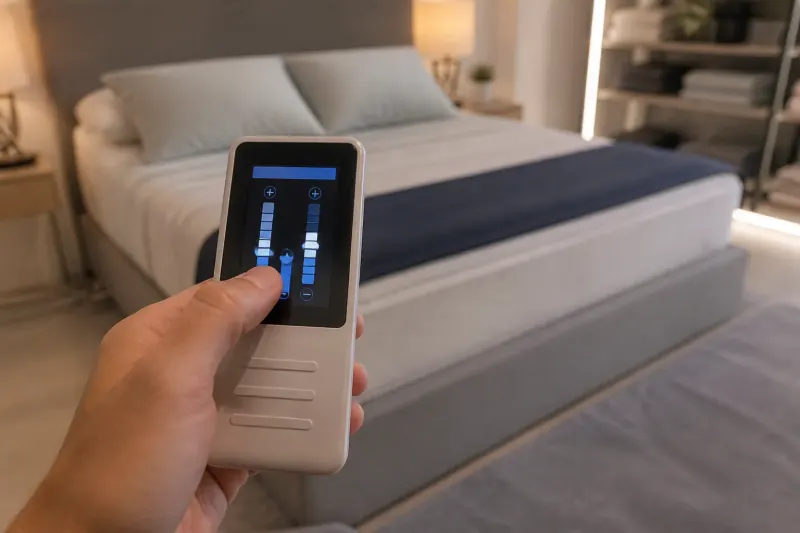
The capability to adjust firmness levels provides a flexible solution for changing comfort needs. Options such as the Sleep Number ComfortNext Lux incorporate innovative materials, enabling sleepers to customize the mattress feel. This product merges foam, adjustable air support, and individually wrapped micro coils, allowing each side of the bed to cater to individual preferences for firmness. Smart sensing technology within such mattresses monitors sleep cycles and adjusts comfort levels as needed.
Tips for Selecting Your Next Mattress
When considering a mattress replacement, various factors can enhance the decision-making process:
- Material and Construction: Evaluate which mattress type (foam, innerspring, hybrid, latex) meets your comfort needs.
- Quality Over Price: Investigate details such as foam density and coil strength instead of merely relying on price.
- Firmness Preferences: Consider past comfort levels and whether adjustable firmness is preferable.
- Trial and Warranty: Look into home trial options to ensure the mattress suits your needs.
Protecting Your Investment
Once an appropriate mattress is chosen, several care tips can help maintain its condition and extend its lifespan:
- Use a Mattress Protector: Protects against spills and dirt, preserving materials.
- Rotate Regularly: If recommended, rotate the mattress to ensure even wear.
- Adhere to Manufacturer Instructions: Follow guidance regarding care, including using appropriate foundations and maintaining cleanliness.
- Avoid Excessive Weight on One Spot: Minimize concentrated pressure points by shifting sitting positions frequently.
Key Takeaways
- Most mattresses have an average lifespan of around 7 to 10 years.
- Signs of a mattress in need of replacement include sagging, discomfort while sleeping, and increased movement during the night.
- Adjustable mattresses provide more flexibility to adapt to changing comfort preferences over time.
- Investing in quality materials and construction can lead to a longer-lasting mattress that fits personal needs.
Conclusion: Prioritize Your Sleep Health
Recognizing the signs that it’s time to replace a mattress is fundamental to quality sleep. Whether prompted by wear and tear or changes in comfort needs, fostering a living environment conducive to restful sleep is vital. By understanding mattress lifespans, considering comfort adjustments, and prioritizing quality materials, individuals can invest wisely in a mattress that meets their long-term sleep needs.
Frequently Asked Questions