
Elizabeth Warren's Potential Oversight of Crypto Banking without New Laws
As Elizabeth Warren prepares to chair the Senate Banking Committee, she's expected to intensify scrutiny on cryptocurrency firms and regulatory decisions. Her inquiries could reshape the landscape without needing new legislation.
Introduction
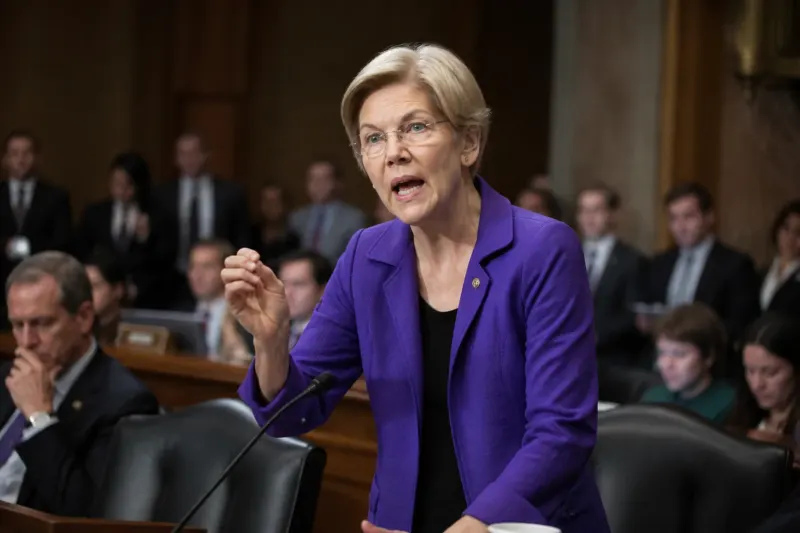
As the political landscape shifts with Democrats gaining control of the Senate, Senator Elizabeth Warren is poised to become a pivotal figure in the regulation of cryptocurrency. Anticipated to chair the Senate Banking Committee in January, Warren's approach could exert significant pressure on crypto executives and federal regulators without necessitating new legislation. Her focus centers on scrutinizing existing decisions regarding crypto banking and the regulatory frameworks governing these entities.
Warren's Investigative Reach
Warren's strategy relies heavily on the investigatory power of the Senate Banking Committee rather than legislation. Her planned inquiries include:
- Bank Applications: She has requested bank application records from crypto companies, including their methods for safeguarding trading operations.
- Prediction Markets: Warren seeks clarity on the oversight of prediction-market safeguards, emphasizing potential conflicts of interest related to the White House.
- Federal Supervision: The treatment of applications for bank-like charters will be examined, specifically how decisions were made by the Office of the Comptroller of the Currency (OCC).
The Role of Senate Banking Committee
With her position as chair of the Senate Banking Committee, Warren will dictate the agenda for hearings and inquiries. This role allows her to direct attention to existing approvals of crypto company licenses, compelling officials to justify their regulatory decisions publicly. The implications are profound as this could lead to:
- Public Hearings: Executives may need to defend their company's strategies and decisions regarding regulatory compliance.
- Legal Costs: Companies could incur substantial legal fees while preparing for potential inquiries or investigations.
- Reputational Risks: Increased scrutiny may affect how consumers and investors view these companies, regardless of whether licenses are revoked.
Recent Developments in Crypto Banking
Warren's crusade includes a pointed examination of a significant crypto player: Coinbase. On November 9, 2026, Coinbase announced it received final approval for its national trust company, which has now come under the supervision of the OCC, allowing it to offer custody services for crypto assets.
The custody business involves safeguarding customer assets — a responsibility Coinbase states it now fulfills under a more consistent regulatory framework. However, Warren is scrutinizing how the OCC determined which companies received authority to conduct “bank-like activities.” Her inquiries target the seven initial decisions made by the OCC concerning crypto banks, delving into whether these approvals aligned with conventional banking regulations.
Licensing Oversight and Accountability
The potential for Warren's investigations to bring about substantial changes in the crypto landscape primarily revolves around licensing oversight. As an example, with Coinbase’s custody charter, the company must operate within stipulated legal obligations, and any major modifications to its business model would require OCC approval. Warren's inquiries could probe:
- How current licenses were obtained and justified, particularly concerning regulatory compliance.
- The specific legal frameworks cited by the OCC in permitting companies to engage in activities traditionally reserved for banks.
- The implications of these charters on consumer protection and market integrity.

Implications of Prediction Market Scrutiny
In an era of increasing interest in prediction markets — platforms allowing speculative trading based on event outcomes — Warren's vigilance extends to these trading mechanisms. By initiating requests for information from platforms like Kalshi and Polymarket, she emphasizes the need for rigorous enforcement against any trading abuses. Key questioning revolves around:
- How prediction-market platforms prevent the exploitation of insider information by traders before upcoming events.
- The frequency and efficacy of each platform’s enforcement against prohibited trades.
- Measures taken for compliance to ensure fair trading practices without compromising market integrity.
Future Regulatory Challenges
Warren's initiatives may set a precedent for future regulatory action, but her reach has its limitations. Although the Senate Banking Committee oversees many aspects related to banking and securities, other areas such as commodities fall under the purview of the Senate Agriculture Committee. This division complicates single-committee supremacy over the multifaceted crypto industry but provides an opportunity for comprehensive oversight across jurisdictions.
Ultimately, the intertwined responsibilities will require collaboration among committees to address the rapidly evolving landscape of digital currencies. Nonetheless, Warren's positioning could create a more substantial oversight framework, placing significant pressure on firms to comply with both existing laws and any potential new guidelines.
Key Takeaways
- Warren could leverage the Senate Banking Committee’s oversight to intensify scrutiny on crypto companies without new legislation.
- Her inquiries include bank applications and prediction market safeguards, highlighting potential conflicts of interest.
- Crypto companies may face heightened legal fees and reputational risks due to public hearings and ongoing investigations.
- Warren's focus on established approvals requires thorough justification from regulators and companies alike.
- Future regulatory frameworks in the crypto space could evolve from these inquiries and hearings.
Conclusion
As Elizabeth Warren prepares to take a prominent role in the Senate Banking Committee, the cryptocurrency sector braces for potential scrutiny and pressure. Her intended focus on oversight indicates a shift in how crypto regulations may be perceived and enacted. While significant changes may not require new laws, the existing regulatory frameworks are set to undergo a detailed examination that could affect crypto companies and participants nationwide. The coming months will likely illuminate the balance of power between legislative oversight and regulatory autonomy, shaping the future of cryptocurrency in America.
Frequently Asked Questions