
AI Companies Face Backlash Following Historic Midterm Elections
The recent midterm elections have resulted in significant political shifts, leading to greater scrutiny and demand for accountability from AI companies.
The Blue Wave and Election Outcomes
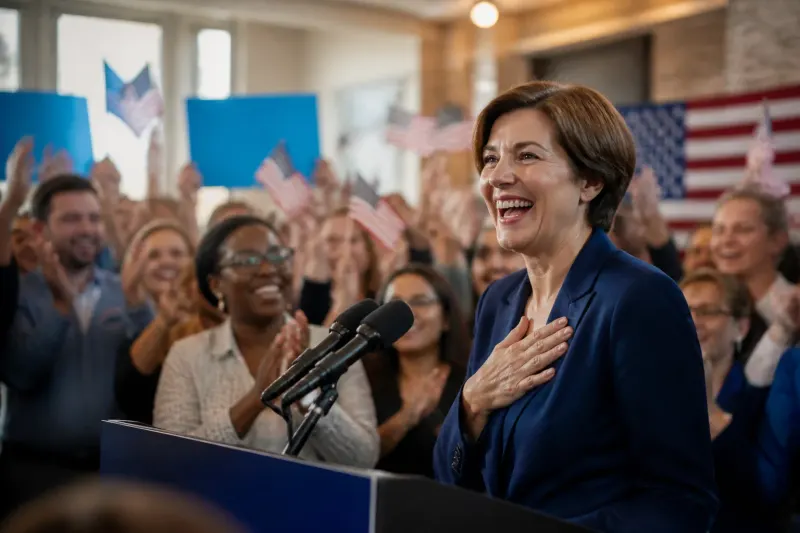
The recent 2026 midterm elections, concluded on November 5th, have led to a historic shift in power as the Democratic Party regained control of both the House of Representatives and the Senate. Not only did the Democrats’ blue wave sweep through traditionally Republican and swing states, but it also saw significant victories, including the election of the first Black woman governor in Georgia and the first Native American woman governor in New Mexico. This pivotal moment is being characterized as a “total repudiation” of the AI industry and the regulatory complacency that has characterized it for years.
One prominent figure, Wes McEnany of the Future of Life Institute, underscored the election's implications for AI oversight, noting that voters are demanding more accountability from tech companies impacting countless aspects of daily life—from job applications to social media interactions. As AI becomes increasingly prevalent, the implications of these election results could set the stage for a significant shift in tech policy.
The Data Center Backlash
A major aspect of the election results is the strong bipartisan backlash against data center construction across the United States. Significant voter discontent was evident with an impressive 43 out of 44 local moratoria on data centers passing in various states. This clear message from voters indicates a growing concern about the environmental and social impacts of these facilities.
Specifically, in Texas—a key battleground state known for its rapid data center development—governor-elect Gina Hinojosa pledged to impose a moratorium on all data center approvals until protective legislation can be created. Similar sentiments have been echoed by leaders in other states, reflecting a wider movement against the proliferation of AI infrastructure without sufficient oversight.
Voter Concerns and Political Implications
Concern among residents regarding data centers encompasses issues such as noise pollution, rising electricity costs, and local quality of life. On the final election night, NBC News conducted a poll revealing that 76 percent of voters opposed the establishment of data centers in their communities. This general dissatisfaction suggests that the topics of AI governance and corporate accountability have taken center stage in political discourse.
As Kyle Jacobs-Morse from the Tech Oversight Project noted, the growing awareness around the costs imposed on local communities has led many to connect those impacts directly to the actions of major tech companies. This connection is crucial as it indicates the electorate's desire to hold firms accountable for corporate actions that affect everyday Americans.
Corporate Reactions to Election Results
Despite the significant implications of the election outcomes, many major AI companies have opted for silence. Notably, tech giants like OpenAI and Anthropic did not issue comments publicly following the election results. Elon Musk, who had invested approximately $450 million in efforts to support Republican candidates, also remained quiet on X after the results took a surprise turn.
Privately, many AI executives have expressed concerns about the future, particularly regarding potential compute capacity constraints. Reports suggest that OpenAI might contemplate relocating data center construction to foreign territories to circumvent the escalating domestic regulatory pressures.
Emerging Regulatory Trends
The incoming elected officials are already signaling a shift towards more robust regulatory measures aimed at the tech sector. Several leaders have promised to summon AI executives for testimony, with some even predicting a future akin to the Nuremberg Trials for AI researchers, as articulated in a viral post by former X product lead Nikita Bier.
Legislators are also gearing up to draft and implement “tech accountability bills” as a response to the election results. Many are anticipating a decrease in support for efforts led by Republicans to limit state-level regulations on AI technology. Commentators view this as a critical juncture that could redefine how technology is governed at both a state and national level.
Industry Experts Weigh In on the Future
Industry experts have varying opinions regarding the implications of the midterm elections on the future of AI policy. Shaunna Thomas, co-founder of the Guardrails Alliance, described the events as potentially transformative, emphasizing that voters are now scrutinizing the benefits derived from AI, particularly as they relate to infrastructure costs.
Analysts from Yorkville Ives & Co. are urging AI investors to prepare for potential legislative challenges ahead, expecting major obstacles in AI and tech legislation to arise from the election. However, there’s also a suggestion that the slowdown in data center construction could stabilize the market, helping to prevent a potential bubble burst in the tech sector.
Safety and Ethical Considerations
The election outcomes are anticipated to galvanize discussions surrounding AI safety. Senator Mark Warner from Virginia, who has been re-elected, has actively supported policies promoting safety in AI. His campaign, alongside comments from other re-elected officials, indicates that there will be heightened scrutiny on AI developments and their implications for human safety.
Several pieces of legislation concerning AI safety have already been introduced, including a bill proposed by Senator Bernie Sanders and Representative Greg Casar aimed at banning superintelligence. Such efforts signify a growing recognition of the potential risks associated with unchecked AI development.
Key Takeaways
- A recent blue wave in the 2026 midterm elections saw the Democratic Party gain control of both the House and Senate.
- The elections resulted in significant local backlash against data centers, with 43 out of 44 moratoria passing in various states.
- Voter dissatisfaction with data centers centers around concerns over noise pollution and rising electricity costs.
- Incoming officials have vowed to hold AI companies accountable and consider legislation on AI safety and regulation.
- The results have raised questions about tech accountability and the future direction of AI policy in the U.S.
Conclusion
The results from the 2026 midterm elections mark a pivotal moment in the relationship between the AI industry and the public. As states prepare to impose stricter regulations on data centers and AI companies navigate the landscape of increased scrutiny, the call for accountability is louder than ever. This shift in dynamics hints at a future where the voices of the electorate may significantly shape how technology evolves and impacts society.
Frequently Asked Questions