
Midterms Spark Data Center Backlash: New Political Dynamics Ahead
The recent midterm elections have triggered a significant backlash against data centers, highlighting public concerns about their environmental impact and local governance.
The Midterm Election Results and Their Implications
The results of the November 3 midterms shifted the political landscape in the U.S., granting Democrats full control of Congress while Republicans retained the presidency. This division is anticipated to create significant legislative challenges as Democrats push for policy changes on various issues, particularly concerning data centers. The midterm elections highlighted growing voter concerns over the proliferation of data centers, facilities crucial for housing the computer infrastructure that powers artificial intelligence (AI) technology. With over 76% of voters expressing opposition to data centers in their neighborhoods, these concerns may shape future legislation restricting where new data centers can be built and how much local input communities have.
Voter Sentiment and Ballot Measures
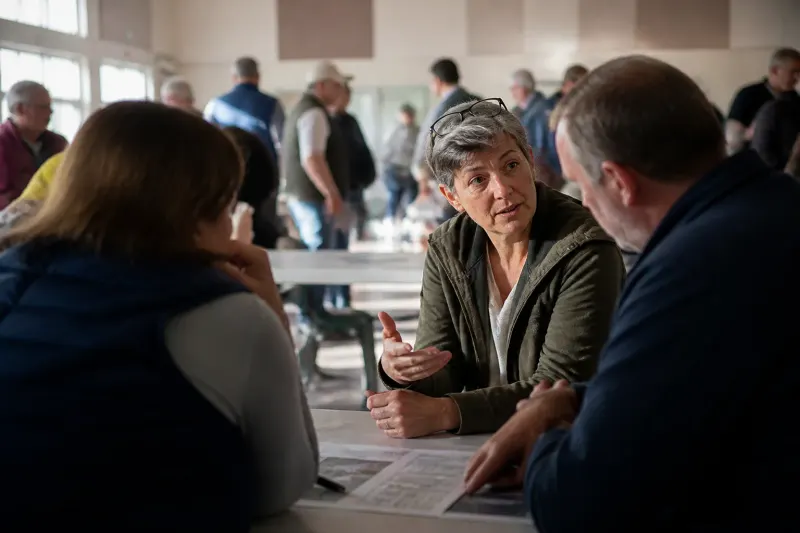
In the wake of the recent elections, various initiatives appeared on local ballots across the country, reflecting strong resistance against the unregulated expansion of data centers. Specifically, according to an NBC exit poll, about 80% of respondents opposed constructing data centers in their neighborhoods, with nearly 60% indicating that data centers were a significant factor influencing their votes. Voters participated in 45 local ballot measures nationwide regarding data center development, with 33 resulting in restrictions.
| Location | Action Taken | Description |
|---|---|---|
| Wells, Maine | Moratorium | 180-day moratorium on large data centers, effective from mid-June 2026. |
| Ohio | Ban | Banned data centers exceeding 25MW; local communities overwhelmingly voted against data center development. |
| El Dorado, Kansas | Ban | Banned data centers with peak electrical loads over 10MW for ten years. |
The backlash was especially prominent in Ohio, where overwhelming voter sentiment led to bans on new data centers, demonstrating a clear rejection of this infrastructure's unchecked growth. This pattern of community resistance was echoed in other states as well, driven by concerns about environmental impacts, local utility costs, and general opposition to AI technology.
Significant Political Outcomes
The elections saw candidates who supported data center moratoriums win significant positions. Texas Governor-elect Gina Hinojosa and Michigan Senator-elect Abdul El-Sayed both expressed intentions to impose moratoriums on new developments, marking a notable shift toward stricter regulations. Meanwhile, analysts predict potential future delays in data center construction projects due to these electoral shifts, particularly in states like Georgia and Texas.
As Democratic representatives, including Sen. Bernie Sanders and Rep. Alexandria Ocasio-Cortez, push for new legislation to place further restrictions on data centers, such reforms may face opposition from a Republican president. Despite anticipated vetos, these bills aim to establish guardrails ensuring that new data centers do not escalate utility costs or harm local environments without community consent.
Community Concerns and Local Activism
Activists, like Nadine Smith from the racial justice group Color of Change, advocate for the voices of local communities in decisions affecting their environments. Smith asserted that the recent election results reflect a public outcry to reconsider who benefits from the economic ecosystem supported by big tech, particularly in neighborhoods impacted by nearby data centers. She noted the environmental toll on communities, specifically mentioning the exhaust from gas turbines at xAI’s data center in Memphis, Tennessee, which has gained notoriety for its pollution.
The increasingly vocal public backlash represents not only local populations but also a growing bipartisan sentiment against unchecked AI development. More than ever, citizens want accountability from corporations, insisting that the benefits of data centers—like job creation and local programs—are balanced against their adverse impacts, such as energy costs and environmental degradation.
Expected Legislative Responses
As regulatory discussions unfold, various proposals are emerging to prevent utility companies and data center developers from passing on infrastructure costs to local communities. The GRID Savings Act, introduced by New Mexico Sen. Martin Heinrich, aims to protect communities from incurring new expenses associated with nearby data centers. Furthermore, federal actions may influence local policies, and as noted by program director Maia Woluchem from Data & Society, both state and federal changes in energy regulations could significantly shape how the data center landscape evolves in response to public demand for clearer oversight.
Analysts at Goldman Sachs have forecast construction delays for data centers in states like Georgia and Texas due to the recent political shifts. With growing calls for moratoriums and greater community oversight, proponents of data center expansion may need to reassess their strategies in light of public sentiment and upcoming legislative challenges.

The Role of Technology Lobbyists
As pressure mounts for regulation, the role of technology lobbyists is anticipated to become more pronounced, with advocates for data centers likely lobbying lawmakers to quell public dissent. Smith emphasized the necessity of maintaining pressure on elected officials, indicating that promises made during campaigning could wane once attention shifts away from voters. The influence of AI lobbyists in the aftermath of the election may play a pivotal role in shaping future legislative discourse on data center developments.
Public Perception of AI and Data Centers
The discourse surrounding data centers frequently intertwines with public perceptions of AI itself. Many voters express apprehension about AI technology, with sentiments mounting that data centers serve as a metaphorical ‘stand-in’ for larger anxieties surrounding technological advancement. This growing skepticism illustrates that community frustrations are not merely focused on the physical infrastructure of data centers but also reflect broader concerns about the unchecked power of technological entities.
A long-standing issue remains the alleged secrecy under which data center projects frequently proceed. Instances where local officials sign nondisclosure agreements often lead to community discontent, as residents find themselves unaware of developments impacting their everyday lives. The rapid buildout of data centers has raised questions about transparency and local governance, with citizens clamoring for more say in the developments occurring in their neighborhoods.
Key Takeaways
- Over 76% of voters opposed data centers in their communities according to exit polls.
- Voters in 33 out of 45 local measures enacted restrictions on data center development.
- Candidates supporting moratoriums on data centers gained significant political ground, particularly in states like Texas and Michigan.
- Proposals for bills such as the GRID Savings Act seek to prevent additional costs for local communities due to data center operations.
- Activists and community leaders are pushing for increased local input on data center projects, reflecting broader public concerns about AI and environmental impact.
Conclusion
The political landscape in the U.S. is shifting due to increasing public concerns about the implications of data centers and AI technology. Midterm results indicate a strong rejection of unregulated tech expansion, setting the stage for potential legislative changes at both state and federal levels. As communities seek more oversight and accountability, the future trajectory of data center development remains uncertain, poised at the intersection of technology, politics, and environmental advocacy.
Frequently Asked Questions