
Video Game Remakes Leverage Nostalgia for Success
Video game remakes are fueled by nostalgia, leading to successful releases like Ocarina of Time and Final Fantasy VII. Explore how these remakes balance old and new.
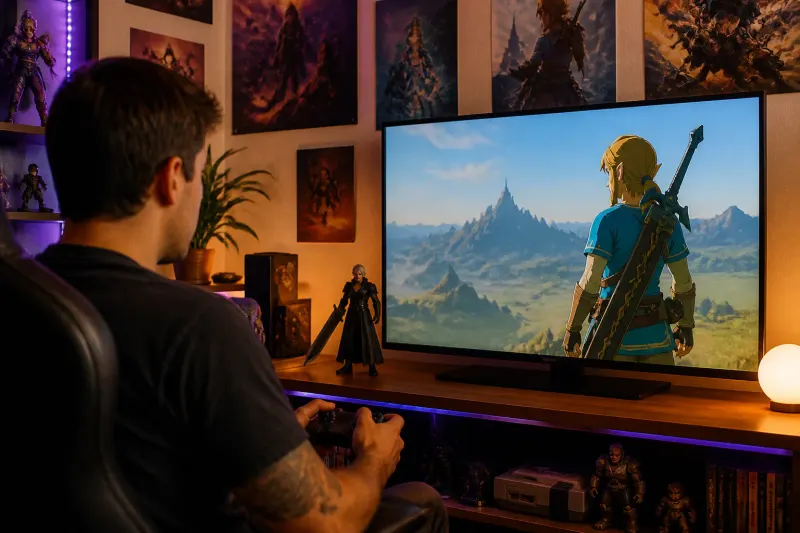
The Allure of Video Game Remakes
The emotional resonance of video game remakes draws upon the powerful force of nostalgia, enabling developers to create new experiences while connecting with audiences who cherish their gaming past. A recent example is the remake of The Legend of Zelda: Ocarina of Time, which is set to arrive on the Switch 2 later this year. When Kacey Doran, now an esports instructor at Rowan University, saw the footage of this remake, she immediately felt a wave of nostalgia. Nearly 30 years prior, she and her sister had navigated the original Nintendo 64 game, supporting each other through complex dungeons. This emotional recall highlights how video games can serve as time capsules, transporting players back to the joy of their youth.
Why Nostalgia Matters in Gaming
Nostalgia provides an emotional connection that is invaluable in the gaming industry. Tim Wulf, a researcher at the Centre for Advanced Internet Studies in Germany, describes nostalgia as a social emotion intertwined with memories shared among individuals. It can evoke happiness and a sense of belonging, yet it can also carry an undertone of sadness as players realize that those cherished times have passed. Video games, with their interactive nature, allow players to revisit familiar environments, thereby granting a comforting sense of stability in a rapidly changing world. Revisiting a favorite game can deliver the satisfaction of past victories and achievements.
Successful Trends in Game Remakes
The industry has witnessed a string of successful video game remakes, which help to build a bridge between established franchises and contemporary audiences. Releases like Resident Evil 4 and Assassin's Creed: Black Flag have been well-received, indicating that there's a robust market for updated renditions of beloved games. According to Piers Harding-Rolls, head of games research at Ampere Analysis, harnessing nostalgia and tapping into established audiences provides a safer and often less expensive route than creating entirely new concepts. The improvements in graphics and gameplay mechanics allow these remakes to meet the expectations of today’s gamers, many of whom continue to seek the engaging experiences their predecessors enjoyed.
Balancing Originality and Nostalgia
Despite the positive aspects of nostalgia, remakes come with the challenge of meeting the high expectations of original fans. Some gamers have protective sentiments toward their favorite titles, leading to potentially mixed reactions. Wulf emphasizes the need for games to innovate while still catering to the interests of nostalgic fans. While he himself enjoys memories of the original Ocarina of Time, he shares no interest in playing the remake because he seeks new gaming experiences, suggesting that nostalgia alone is insufficient for everyone.
Examples of Notable Remakes
| Game Title | Original Release Year | Notable Features of Remake | Reception |
|---|---|---|---|
| The Legend of Zelda: Ocarina of Time | 1998 | Updated graphics, modern controls | High anticipation among fans |
| Final Fantasy VII | 1997 | Expanded story, enhanced visuals | Mixed initial reception; praised long-term |
| Nier Replicant ver.1.22474487139... | 2010 | Graphic enhancements, added content | Confusion over identity with original |

Fan Reactions and Developer Challenges
The more successful remakes highlight the dual-edged nature of nostalgic adaptations in gaming. Fans can swiftly turn against developers if they feel a remake fails to honor the source material. Stephanie Ijoma, founder and CEO of NNESAGA, emphasizes the importance of striking a balance between fan expectations and creative freedom. Her experience with the remake of Final Fantasy VII resonates with gamers who longed for a return to the beloved franchise while ushering newer generations into its narrative.
Challenges for New Audiences
The complexities of nostalgia become evident when developers encounter newer audiences, who may not have the same attachment to original titles. Niklas Hallin, an indie game developer, acknowledges that nostalgia isn’t a strong motivator for his own development work. Instead, he seeks to create subtle nods to classic games, understanding the respect and connection they hold for seasoned gamers. Updating older games for modern hardware simplifies the experience and ensures accessibility for new players.
The Future of Game Remakes
As technology continues evolving, the landscape of video game remakes may shift significantly. Harding-Rolls suggests that future remakes might not depend heavily on graphical improvements but instead focus on narrative reinterpretations and broader content offerings. As gamers look to the future while remembering the past, the industry's ability to adapt and innovate remains critical in keeping cherished classics alive for generations to come. Ultimately, remakes create opportunities for stories and experiences to continue spanning across ages, ensuring that the gaming community remains vibrant and engaged.
Key Takeaways
- The remake of The Legend of Zelda: Ocarina of Time taps deeply into player nostalgia.
- Nostalgia can both uplift and hinder the reception of game remakes, depending on expectations.
- Notable remakes like Resident Evil 4 and Final Fantasy VII have found success by marrying old and new elements.
- Future remakes may shift focus from graphical enhancements to narrative reinterpretations.
The legacy of video games continues to thrive through remakes, creating a bridge between generations of gamers while addressing both nostalgia and modern expectations. As the gaming industry moves forward, the balance between honoring classic titles and fostering innovation will likely dictate the success of upcoming releases.
Frequently Asked Questions