
Mars’ Molten Heart: New Evidence of Underground Magma Chambers
Recent research indicates that Mars may not be as dormant as once thought. The detection of hydrochloric acid in its atmosphere suggests active magma chambers beneath its surface, hinting at ongoing geological processes.
Introduction
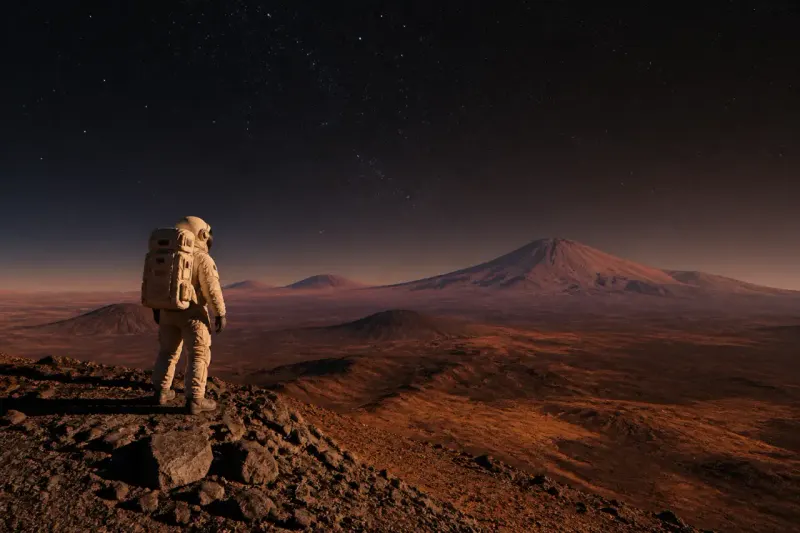
Recent findings suggest that Mars, long considered to be geologically dormant, may still harbor active underground magma chambers beneath its surface. Researchers using data from the ExoMars Trace Gas Orbiter (TGO) have discovered significant detections of hydrochloric acid (HCl) in the Martian atmosphere, hinting at ongoing geological processes. This insight adds a compelling layer of complexity to our understanding of the Red Planet, which appears to have an active interior despite its cold, barren surface.
Historical Context of Mars’ Geological Activity
Mars has fascinated scientists for years, often being described as a planet akin to a failed Earth. Billions of years ago, it boasted a warm and wet environment, conducive to life as we understand it. However, as the planet's interior cooled and its geodynamo ceased functioning, Mars lost its magnetic shield, allowing solar radiation to strip away its atmosphere. This atmospheric loss, combined with volcanic activity, fundamentally altered the planet’s climate and surface.
Current Findings on HCl in Mars’ Atmosphere
Hydrochloric acid has been detected in Mars' atmosphere at various different levels, with initial observations made during perihelion, the point in the planet's orbit where it is closest to the Sun. This seasonal detection was attributed to atmospheric interactions driven by increased solar warmth. Yet new research published in "Science Advances" reveals that HCl is also present during aphelion, the point in Mars' orbit when it is furthest from the Sun. This unexpected finding raised new questions about the potential for magma-related activity beneath the surface.
Research Overview and Key Findings
The recent study titled "Enigmatic HCl detections as a potential signature of igneous activity on Mars" was led by Alexander Trokhimovskiy from the Space Research Institute at the Russian Academy of Sciences. The research indicates that the new HCl detections are particularly localized around the Alba Mons region, a location not previously associated with active volcanic processes. The team identified that these HCl emissions may correlate with fresh, narrow fissures (<1 meter wide) which could serve as pathways for gases from deeper magmatic sources.
Implications of HCl Detections
According to the study's authors, the presence of HCl in the atmosphere could be interpreted as evidence of ongoing igneous activity. Unlike prior assumptions that linked HCl only to seasonal atmospheric effects, this research suggests a more persistent release of gas from beneath the Martian surface. The study presents a dual argument: while atmospheric sources may still contribute HCl, definitive ties to underground magma chambers could point towards active geological processes.
Marsquakes and Evidence of Volcanic Activity
Recently, NASA's InSight lander recorded over 1,300 Marsquakes, further supporting the notion that the planet is not entirely dormant. Although many of these seismic events have been attributed to meteorite impacts, the sheer number provides a foundation to propose that some may also be linked to volcanic activity beneath Mars’ crust. With InSight, scientists are collecting data that could offer unprecedented insight into Mars' internal workings, specifically regarding its volcanic history.
Alba Mons and Mars’ Volcanic Landscape
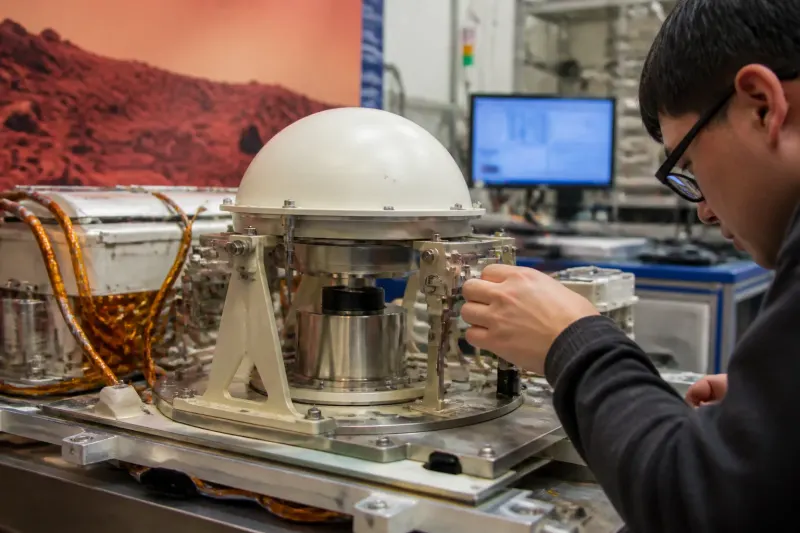
The region surrounding Alba Mons, which is distinct from the more well-known Olympus Mons, presents another component of intrigue. Alba Mons is the largest volcano on Mars by surface area, characterized by significant volcanic flows extending over 1,300 km from its summit. The study highlights the geological setup here as a fertile ground for exploring connections between surface emissions and magmatic activity below.
Challenges in Understanding Mars’ Geology
While these discoveries are promising, they do not wholly overturn the consensus that Mars is geologically dormant. The ambiguous nature of HCl sources, particularly regarding their separation from seasonal atmospheric phenomena, complicates conclusions. The study emphasizes that without direct evidence of eruptive activity or sulfur dioxide detection, further research is necessary to paint a clearer picture of present-day Mars. Researchers are also investigating how these gases interact with non-seasonal atmospheric processes.
Future Research Directions
The identification of potential gas pathways and the ongoing study of Mars' geological layers look to expand our understanding of the planet's interior dynamics. Additional missions aimed at monitoring Mars’ seismic activity and atmospheric composition may provide clearer insights into the nature of these emissions. The evidence of possible volcanic gases could open discussions on ongoing volcanic processes and their implications for past habitability.
Key Takeaways
- Recent detections of hydrochloric acid (HCl) hint at active magma chambers beneath Mars.
- Research from the ExoMars TGO shows HCl presence at both perihelion and aphelion.
- Alba Mons exhibits localized signs of potential gas release, supporting theories of unexplored underground volcanic activity.
- Over 1,300 Marsquakes detected by InSight hint at geological processes still at work on the planet.
Conclusion
The exploration of Mars continues to yield fascinating findings, suggesting that the planet may not be dormant after all. The evidence of hydrochloric acid emissions and seismic activity calls into question previous assumptions about its geological state. As research continues, scientists hope to deepen their understanding of the Martian interior and its potential for past and present habitability.
Frequently Asked Questions