
Jensen Huang Scandal Complicates Singapore's Business Image
The resignation of Jensen Huang from Nvidia due to a scandal involving Megaspeed highlights significant challenges for Singapore's business reputation and its relations with the US and China.
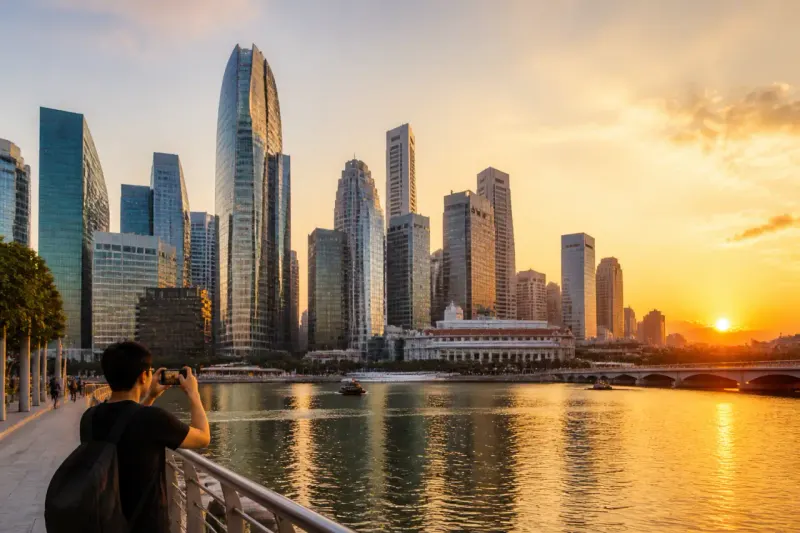
Scandal Erupts as Jensen Huang Steps Down
The recent resignation of Jensen Huang, founder of Nvidia, has sparked considerable controversy surrounding the semiconductor industry and Singapore's role in it. Huang's admission of an affair with Alice Huang, the head of Megaspeed, a prominent Singaporean data center firm purchasing Nvidia’s chips, places a spotlight on the city-state's growing reputation as a hub for potential illicit trade.
A Look at Megaspeed's Operations
Megaspeed has emerged as the largest buyer of Nvidia chips in Southeast Asia. However, concerns have been raised regarding its operations, particularly the suspicion that it may be providing backdoor access of these chips to Chinese companies via its data centers located in Malaysia, Indonesia, and Thailand. Despite Singapore's open economy, the extent of its involvement in global trade raises questions in light of the ongoing international tensions concerning technology transfers and export controls.
Singapore’s Unique Position in Global Trade
Over the years, Singapore has strategically positioned itself as a vital player in the global chip market, especially as high-demand semiconductors have become increasingly critical in the age of AI. The city-state was the second-largest billing center for Nvidia recently, accounting for nearly 20% of the company’s revenue, despite less than 1% of these chips actually being shipped to Singapore's local market. This has allowed it to serve as a major logistical hub for Asian companies consolidating orders.
Concerns Over Export Compliance
Since 2022, the US has restricted advanced semiconductor exports to China, raising alarm among officials that such trade could be circumvented through Singaporean channels. Singapore's government maintains that while it does not enforce unilateral export controls stipulated by other nations, it does expect companies within its jurisdiction to comply with international regulations; however, challenges remain in enforcing these rules consistently.
Government Investigations and Challenges
Singaporean authorities have been active in investigating Megaspeed and other related companies as part of an ongoing inquiry into potential fraudulent activities. The government confirmed they have been examining whether false declarations were made about the data servers bought and exported through Singapore since February 2025. Despite these inquiries, significant legal obstacles have complicated the process, including insufficient cooperation from companies linked with Megaspeed and challenges in obtaining information from US entities like Supermicro, a computer server supplier.
Impact of Megaspeed’s Operations on Bilateral Relations
The relationship between Singapore and the United States has been put to the test with the Megaspeed case, particularly due to perceptions surrounding China’s influence in the region. While Singapore has expressed its commitment to remain neutral, this situation may complicate its diplomatic ties, as any decisive action against Megaspeed could be seen by China as an alignment with US interests. Conversely, failing to act could result in skepticism from US officials regarding Singapore's commitment to upholding export controls.
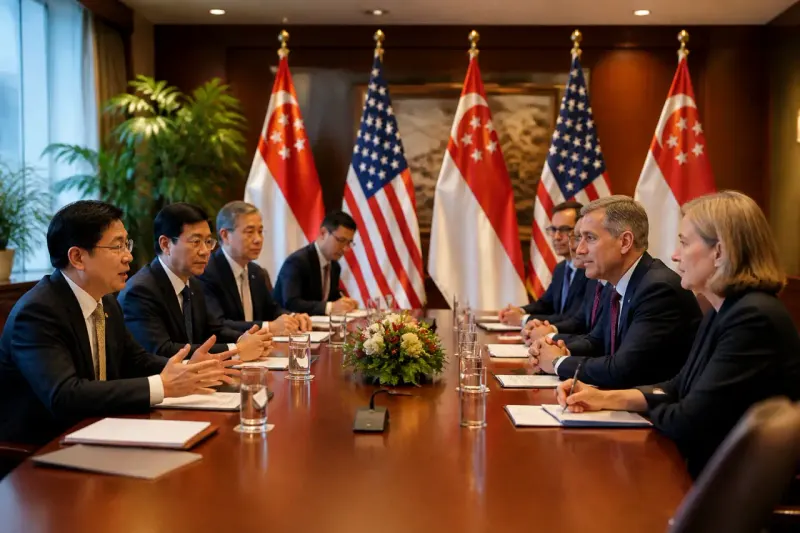
Corporate Transparency and Governance Issues
Megaspeed has articulated its commitment to compliance and transparency; the company states it adheres to all relevant laws and welcomes scrutiny from governing bodies. However, ongoing scrutiny about its management and ties remains a point of concern. Reports indicate that Alice Huang’s connection with Megaspeed during a critical phase raised flags regarding whether the company can genuinely represent Singaporean interests, or if it is effectively under Chinese influence. Corporate records have painted a complex picture of Huang's dealings and her influence even after formally transferring control of Megaspeed.
Wider Implications for Singapore’s Business Environment
This scandal brings to light the concept of "Singapore-washing," where Chinese firms leverage Singapore’s favorable reputation to ease international entry and investment. Critics argue that this practice can obscure questionable activities and create a veneer of legitimacy while raising risks to Singapore's business image. With the rise of international scrutiny regarding Chinese technology firms, maintaining this balance is becoming increasingly challenging for Singaporean authorities.
Conclusion: Navigating Difficult Waters
As seen with the unfolding of the Huang scandal, Singapore is confronted with significant challenges that arise from its unique positioning between the US and China. As regulators grapple with compliance issues amid high-stakes international relations, the case of Megaspeed underscores a delicate balancing act that shapes Singapore’s reputation as a business-friendly hub. It remains to be seen how the investigations will proceed and what impacts they will have on regional dynamics and Singapore's reputation in the global business landscape.
Key Takeaways
- Jensen Huang resigned from Nvidia amid allegations involving Megaspeed.
- Megaspeed is suspected of facilitating illicit trade of Nvidia chips to China.
- Singapore’s neutrality is challenged by the ongoing US-China tech dispute.
- The Singaporean government is investigating potential misconduct by Megaspeed.
- Concerns over "Singapore-washing" could affect the city-state’s business credibility.
Frequently Asked Questions