
NASA's Artemis III Mission to Test Lunar Lander Operations in 2027
NASA's Artemis III mission, launching in 2027, will test lunar lander capabilities and operational procedures essential for future Moon missions.

Introduction to Artemis III
Navigating the next steps in lunar exploration, NASA's Artemis III mission marks a significant leap forward in space operations. Launching in 2027, this test mission will send a crew aboard the Orion spacecraft to validate crucial systems essential for human landings on the Moon beginning in 2028. With four astronauts including NASA's Randy Bresnik, Frank Rubio, Andre Douglas, and ESA's Luca Parmitano, this ambitious mission aims to mitigate risks and refine operational procedures through a series of complex tests involving commercial lunar landers.
Key Objectives of Artemis III
Artemis III's primary goal is to perform comprehensive operations with test articles from two prominent industry partners, Blue Origin and SpaceX. By conducting activities in low Earth orbit, NASA seeks to:
- Validate hardware systems critical for lunar operations.
- Test rendezvous and docking procedures with lunar landers.
- Gain operational experience in a multi-spacecraft environment.
According to NASA’s Artemis program manager, Jeremy Parsons, "Every piece of this mission in Earth orbit is designed to reduce risk before we put astronauts back on the Moon." This will help bridge the gap between Earth operations and future lunar surface missions.
Spacecraft Specifications
| Spacecraft | Launch Vehicle | Orbit Altitude | Mission Duration |
|---|---|---|---|
| Orion | Space Launch System (SLS) | 18 x 1,122 miles (29 x 1,806 km) | Up to 17 days |
| Blue Moon Mark 2 | New Glenn | 273 miles (237 nautical miles) | 30 days |
| Starship V3 | SpaceX Falcon Heavy | 206 nautical miles | 2-hour docking test |
Mission Operations: First Phase with Blue Origin
The mission begins with Blue Origin launching its Blue Moon Mark 2 lander into orbit. This test vehicle operates at an altitude of 273 miles and can remain in orbit for up to 30 days. Following the successful launch and systems check, the Orion spacecraft will be sent into orbit shortly afterwards. The Orion capsule will initially enter an elliptical orbit and then reposition to a circular orbit around 345 miles for thermal stabilization.
During the first two days in orbit, astronauts aboard Orion will perform checks on their systems and prepare for the critical docking with the Blue Moon lander. This will be the first chance to evaluate how the Orion spacecraft interacts with a commercial lunar lander in space.
Docking with Blue Moon
After docking, astronauts will spend approximately two days aboard the Blue Moon test article, where they will assess the cabin environment and test various systems such as life support and environmental controls. This hands-on evaluation will provide valuable insights into how crew operations can be managed in future lunar missions. Additionally, the operations will include practice for emergency scenarios to ensure crew safety.
SpaceX's Starship Docking Demonstration
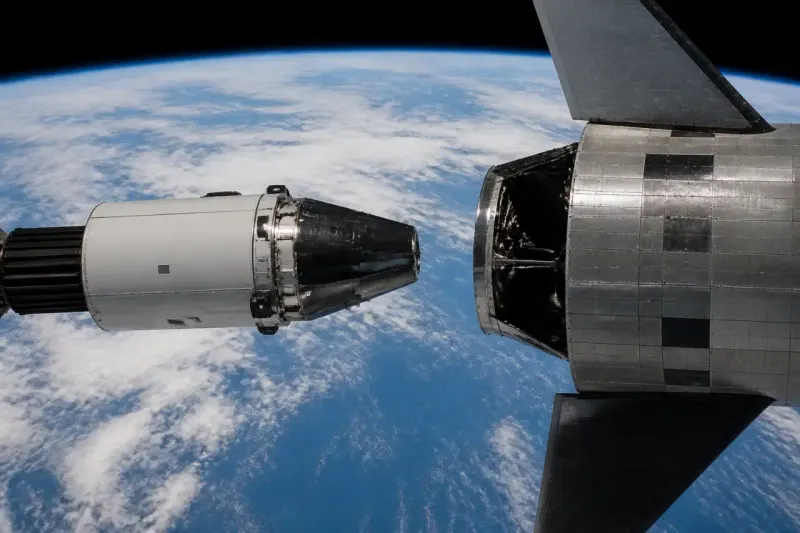
Following operations with the Blue Moon lander, Artemis III will pivot to another significant test: establishing a connection with SpaceX's Starship Version 3. Launched later in the mission timeline, Starship will enter a lower orbit at 206 nautical miles, optimized for communications. The docking of Starship with Orion will be a critical demonstration that occurs on approximately Flight Day 8, lasting up to two hours.
During this phase, the crew won’t enter the Starship but will work to evaluate how the two spacecraft perform together. This part of the mission will focus on assessing control systems, communications protocols, and overall vessel dynamics during the docking process.
Scientific and Operational Goals during Artemis III
Even after the docking operations conclude, Artemis III will be an active mission. The remaining days in orbit will include:
- Testing the Orion Crew Survival System suits, which will aid future mission safety.
- Conducting evaluations of docking sensor systems.
- Carrying out science demonstrations including cellular biology experiments and lunar sample return concepts.
All data collected during this mission will continue influencing plans for Artemis IV and beyond, building on insights gained from previous missions.
Mission Challenges and Future Outlook
The road to Artemis III has not been without hurdles. Challenges surrounding the lunar landers’ supply chain have led to slight delays, with current estimates suggesting the mission might be 90 days behind schedule. Future lunar landings are anticipated to accelerate in complexity, leading up to more challenging missions aimed at establishing a sustainable human presence on the Moon and eventually preparing for human journeys to Mars.
With the lessons learned during Artemis III, NASA aims to refine flight procedures, enhance partnerships with the commercial sector, and ensure astronaut preparedness for groundbreaking lunar expeditions.
Key Takeaways
- Artemis III will launch in 2027, aiming to set operational standards for future lunar missions.
- The mission includes significant collaboration with Blue Origin and SpaceX to test lunar landing systems.
- Apart from testing, Artemis III will focus on scientific experiments and evaluations of safety equipment.
- NASA is aware of supply chain challenges impacting the schedule but remains focused on mission completion.
- Lessons from Artemis III will influence upcoming lunar landings planned for 2028.
Conclusion: A New Era of Lunar Exploration
The Artemis III mission is a pivotal step in human endeavors to explore the Moon. By testing engineering and operational capabilities in low Earth orbit, this mission aims to lay the groundwork for future crewed lunar missions. NASA's progress in collaboration with industry partners signifies not only a return to the Moon but also a blueprint for human exploration beyond Earth, fostering a sustained presence on the lunar surface and aspirations for Mars.
Frequently Asked Questions