
Kyrgyzstan's Crypto Regulations: Implications for Stablecoin Access
Kyrgyzstan is set to implement new crypto regulations following Changpeng Zhao's visit, but the implications for state-backed stablecoins like USDKG raise significant concerns.
Kyrgyzstan's Regulatory Framework
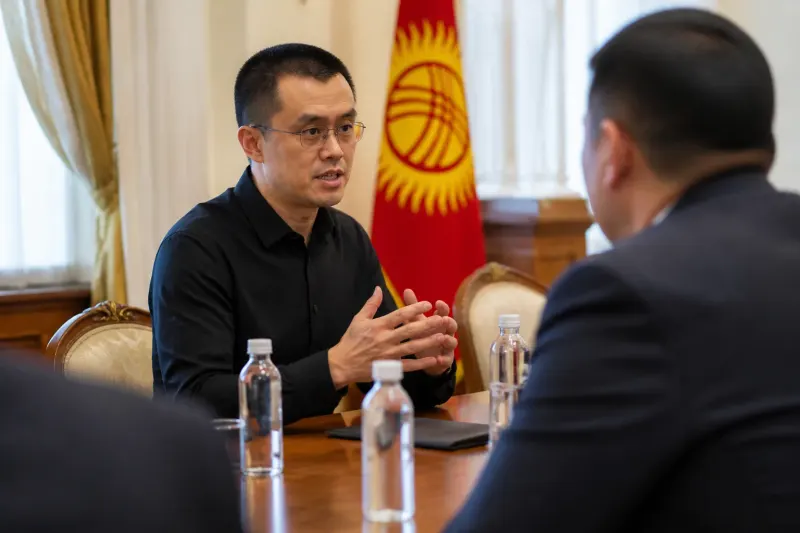
Changpeng Zhao, the CEO of Binance, visited Kyrgyzstan on September 5, 2026, amid a significant meeting chaired by President Sadyr Japarov. This meeting focused on the pressing need for new crypto regulations, as the country faces increasing risks related to international sanctions. During the meeting, officials discussed the timelines and strategies for implementing these regulations, highlighting the challenges faced by the Kyrgyz virtual asset market.
Japarov set a tight deadline of three months for the adoption of new regulatory frameworks governing cryptocurrencies. The National Agency for Virtual Assets (NAVA) has been tasked with updating the current legal framework that oversees virtual assets, addressing security issues and sanction risks, and managing a pilot licensing platform to be operational from January 2027.
Challenges with State-Backed Stablecoins
The USDKG stablecoin presents a critical case study regarding the limitations of relying on state backing to ensure reliable access and liquidity. Despite the support from the Kyrgyz government, USDKG has encountered obstacles. It is designed as a gold-backed, dollar-pegged stablecoin overseen by a state-owned issuer. However, the current structure imposes strict limitations on direct redemption, restricting it to institutional investors. Retail holders are dependent on exchange counterparties to facilitate their transactions.
Zhao’s positive remarks about the KGST stablecoin during his visit did not extend to USDKG, highlighting ongoing concerns regarding the project. The UK has imposed sanctions on USDKG's issuer, severely limiting its accessibility and rendering domestic approval insufficient to guarantee global entry.
International Sanctions Impacting Crypto Access
While Kyrgyzstan's government appears committed to supporting crypto innovation domestically, the international regulatory landscape complicates matters. The sanctions levied by the UK on the issuer of USDKG include not only asset freezes but also restrictions on services that aim to enforce compliance. These sanctions complicate the ability of USDKG holders to redeem their tokens and interact with foreign markets.
The UK's Office of Financial Sanctions Implementation (OFSI) provides guidance indicating that the sanctions apply to individuals and entities within UK jurisdiction, which further complicates accessing the currency for international users. Current documentation reveals that services associated with USDKG are subject to strict compliance measures, making it difficult for retail users to liquidate their holdings.
Kyrgyzstan's Future Plans for Digital Assets
NAVA has received specific assignments to kickstart Kyrgyzstan's digital asset initiatives. These include a mandate to draft a package of secondary regulations and assess potential amendments to the existing virtual-assets legislation. The State Tax Service has also been instructed to evaluate tax regulations surrounding digital assets within a two-month timeframe.
As part of this initiative, NAVA plans to implement a licensing and supervision platform, which aims to start testing in early 2027. This platform could play a crucial role in establishing a structured landscape for digital asset operations in Kyrgyzstan.
Current State of USDKG
Recent analysis reveals the limitations and operational framework of USDKG. Current FAQs specify that while direct redemption is available for institutional holders, retail users must rely on crypto exchanges for liquidity. This distinction emphasizes the separation between ownership and redeemable assets, ultimately impacting retail users’ ability to convert holdings into fiat currency.
Furthermore, USDKG's administration retains significant power over the token, including the ability to pause transfers and blacklist addresses when deemed necessary. This level of control raises questions regarding the fluidity and accessibility of the asset for general users.

The Path Forward for Critical Stakeholders
As Kyrgyzstan moves forward with regulatory reforms, stakeholders—including governmental bodies, crypto issuers, and users—face an uncertain landscape. The next three months are pivotal, determining the contours of the legislation that will govern the local crypto environment. This legislative and institutional pathway will critically influence the redemption processes for stablecoin holders and the broader integrity of the market.
For users of USDKG and other stablecoins, the practicalities of exchange access and institutional endorsements will dictate their liquidity options. Access still hinges on regulatory clarity, which the new measures promise to deliver as the government seeks to align its regulatory framework with international norms.
Key Takeaways
- Kyrgyzstan has set a three-month deadline for new crypto regulations.
- USDKG limits direct redemption to institutional users, complicating access for retail holders.
- UK sanctions on USDKG's issuer significantly hinder global access, despite domestic backing.
- A pilot licensing platform for crypto operations is set for launch in January 2027.
- Regulatory reforms will shape how Kyrgyzstan manages virtual assets moving forward.
Looking Ahead
The coming months will be critical as Kyrgyzstan launches its updated regulatory framework. Although state support is a strong foundation for projects like USDKG, the effectiveness of this backing will largely depend on how these regulations address the challenges posed by international sanctions and market access. The Kyrgyz government’s upcoming strategies could either pave the way for a more robust crypto environment or expose the vulnerabilities of relying on domestic authorizations without comprehensive international strategies.
Frequently Asked Questions